
Connecting the Unconnected
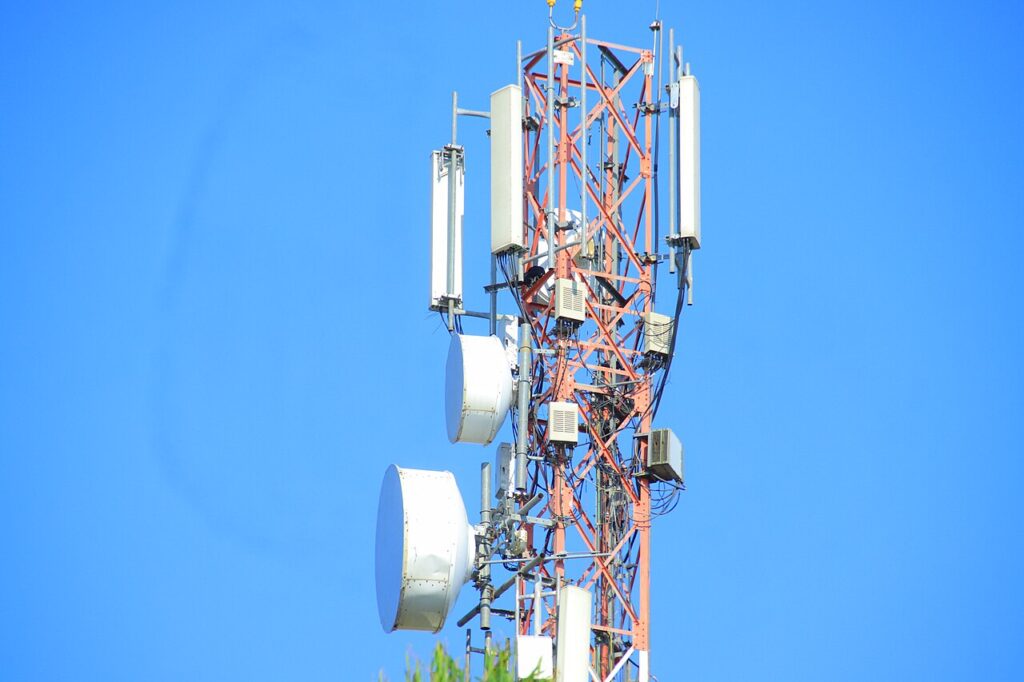
When a major African telecom operator approached us last year, the challenge was clear but daunting: they needed to power 15 new base stations in rural Kenya, all located in areas with no grid electricity and limited road access. These base stations were part of a government-backed initiative to expand mobile coverage to underserved communities in the Rift Valley and Eastern Province regions.
Each site needed reliable 24/7 power for the base station equipment, a small equipment shelter with battery backup, and basic site lighting. The generators would need to run continuously, with fuel delivery arranged on a monthly basis via off-road vehicles. The environment was harsh — high altitude (1500-2500 meters), dusty, with significant temperature variations between day and night.
Technical Requirements
The telecom operator provided detailed specifications for each site:
- Continuous load per site: 25-30 kW (base station transceivers, microwave backhaul, battery charging system, shelter cooling, and security lighting)
- Power type: Prime power (continuous operation, 24/7)
- Altitude: Sites ranged from 1500m to 2500m above sea level — requiring significant derating
- Ambient temperature: 5°C to 35°C (significant day-night variation)
- Fuel autonomy: Minimum 72 hours (3 days) without refueling
- Remote monitoring: GSM-based remote monitoring and alarm notification
- Noise: Must not disturb nearby communities (65 dB(A) at 10 meters maximum)
Based on these requirements, we calculated the needed generator size. At 2500m altitude, a generator loses approximately 20% of its rated capacity. To deliver 30 kW reliably at the highest-altitude sites, we needed a generator rated for at least 45-50 kVA at sea level. We selected a 50 kVA unit, which provides adequate margin even at maximum altitude and temperature.
Equipment Selection
For this project, we needed generators that were:
Reliable at continuous load: Running 24/7 is demanding. We selected a Cummins 6BT5.9-G3 engine — one of the most proven engines in the telecom power sector, with thousands of units running continuously across Africa. MTBO of 15,000 hours means these engines can run 24/7 for nearly 2 years before major overhaul.
Fuel efficient: At 30 kW load (60% of rated capacity), each unit consumes approximately 8-9 liters per hour. Over a month, that’s about 6,000 liters per site. Fuel efficiency was critical — some sites could only be reached by off-road vehicles during dry season.
Compact and transportable: The generators needed to fit on the back of a 4×4 truck or be helicopter-lifted to the most remote sites. We specified a compact canopy design with overall dimensions of approximately 2200mm × 800mm × 1300mm and a dry weight under 1,200 kg.
Smart controller: Each unit was equipped with a ComAp InteliLite NT controller with GSM modem for remote monitoring. The operator’s network operations center (NOC) could monitor fuel levels, running hours, alarms, and generator status for all 15 sites from their Nairobi headquarters.
Heavy-duty air filtration: Rural Kenya means dust — lots of it. We specified double-stage air filtration with a pre-filter and a high-efficiency main filter, plus an air restriction indicator to alert operators when filter replacement is needed.
Logistics: The Biggest Challenge
Delivering 15 generators to remote sites across rural Kenya was logistically complex. Here’s how we approached it:
Phase 1 — Main shipment to Mombasa port: All 15 generators were shipped in a 40-foot container from Shanghai to Mombasa. Transit time was approximately 18 days. The generators were secured on custom-built steel frames inside the container to prevent movement during ocean transport.
Phase 2 — Overland transport to Nairobi depot: From Mombasa, the container was transported by road to a staging depot in Nairobi. All generators were uncrated, inspected, and test-run at the depot before deployment to individual sites.
Phase 3 — Site delivery: This was the most complex phase. Sites were divided into three groups based on accessibility:
- 5 sites with road access: Standard flatbed truck delivery, straightforward
- 7 sites with rough road access: 4×4 truck delivery during dry season, with local guides navigating unpaved roads
- 3 sites with no road access: Helicopter transport — each generator was broken down into engine, alternator, and canopy components for weight management, then reassembled on site by our installation team
The entire delivery phase took 6 weeks from port arrival to the last site being equipped.
On-Site Installation
Each site installation included:
- Concrete base pad: 200mm reinforced concrete pad, pre-poured by the telecom operator’s civil contractor before generator delivery
- Generator placement and leveling: Using adjustable mounting feet to ensure level installation on uneven ground
- External fuel system: 1000-liter bunded fuel tank with automatic fuel transfer to the generator’s day tank, overflow protection, and fuel level sensors connected to the remote monitoring system
- Exhaust system: Vertical exhaust routed through the canopy roof with rain cap and residential-grade muffler to minimize noise
- Electrical connections: Output cable to the telecom power distribution panel, battery charger connection, and grounding system
- Commissioning: Full load test, ATS function test, remote monitoring verification, and fuel system calibration
Each installation took 2-3 days depending on site accessibility and weather conditions.
Remote Monitoring Setup
The ComAp controllers with GSM modems were configured to send regular status updates to the NOC:
- Every 6 hours: Fuel level, running hours, voltage, frequency, oil pressure, coolant temperature
- Immediate alarm: Any shutdown event, low fuel warning, battery failure, or maintenance due notification
- Monthly summary: Total running hours, fuel consumed, number of start/stop cycles
The NOC team could also send remote commands: start, stop, and reset the generator. This significantly reduced the need for physical site visits for routine operations.
Results After 6 Months
We reviewed performance data from all 15 sites at the 6-month mark:
- Average availability: 99.2% across all sites (well above the 99% target)
- Average fuel consumption: 8.4 liters/hour — consistent with our predictions
- Unplanned shutdowns: 3 incidents total — 2 fuel-related (fuel contamination from local supply), 1 air filter clogging during a particularly dusty period
- Remote monitoring effectiveness: All 3 incidents were detected and diagnosed remotely before the maintenance team arrived on site
The telecom operator’s network deployment manager noted: “The remote monitoring has been a game-changer. We went from sending technicians to sites blindly to knowing exactly what’s wrong before we dispatch. It’s saved us enormous time and cost.”
Key Lessons
Altitude derating is non-negotiable: At 2500m, a 50 kVA generator effectively becomes a 40 kVA unit. Always calculate derating for the specific site altitude — a one-size-fits-all approach doesn’t work for dispersed installations.
Remote monitoring pays for itself quickly: The GSM monitoring modules added approximately $800 per unit. Over 6 months, the reduced site visit frequency saved an estimated $15,000 in operational costs — nearly 20× the investment.
Local fuel quality matters: Two of our three incidents were fuel-related. We now recommend on-site fuel testing kits and fuel polishing equipment for all remote installations where fuel quality is uncertain.
Need Power for Telecom or Remote Sites?
Powering remote infrastructure is one of our core competencies at Higenset. Whether it’s telecom base stations, mining camps, or off-grid facilities, we have the experience to specify the right equipment and navigate the logistics of delivery to challenging locations. Contact our team to discuss your project requirements.
Need a Generator Quote?
Talk to Higenset’s engineers about sizing, pricing, and shipping to your site.