
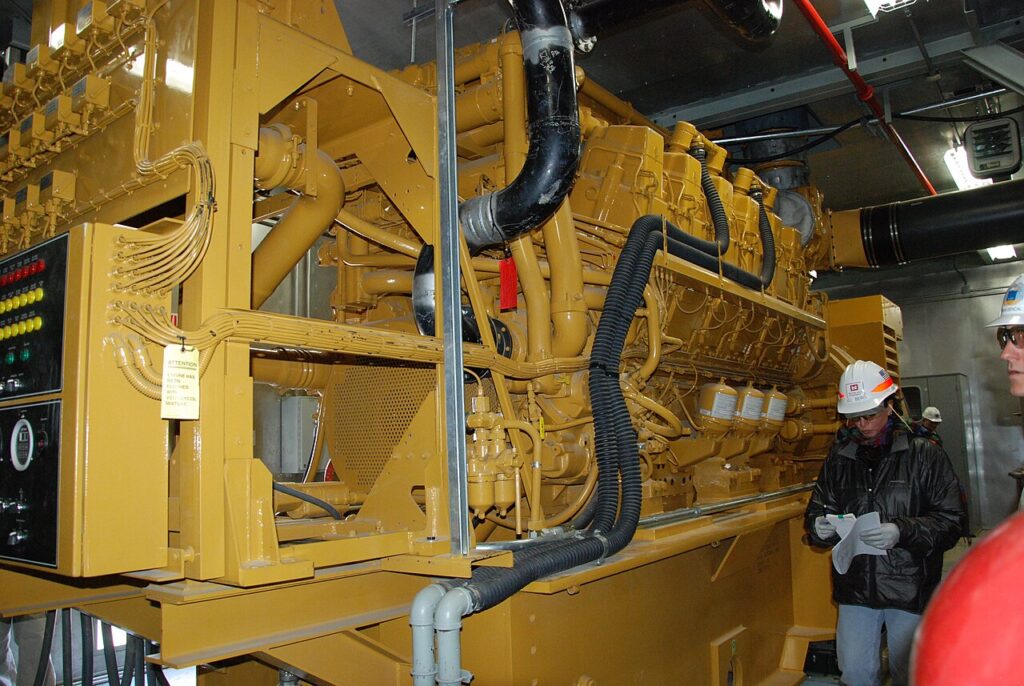
Buying a diesel generator set directly from a Chinese factory can mean a materially lower price and a shorter lead time. The catch is that supplier quality varies widely, and a specification sheet tells you far less than a walk through the plant and a look inside the test bay. A short, structured factory audit before you place an order is the cheapest insurance you can buy.
1. Confirm what the factory actually builds
Ask where the engine and alternator come from and whether the plant is an authorised assembler for those brands. Rebadged or non-genuine power packs are the most common hidden problem. Request the engine serial numbers and verify them against the OEM’s records before you commit.
2. Walk the assembly and fabrication line
You are looking for process discipline, not a showroom. Check frame and skid welding, torque control on critical bolts, the wiring harness (labelled, routed away from heat, properly secured), and how cooling and exhaust are laid out. A tidy, documented line is a strong signal; a cluttered one is a warning.
3. Watch a real load-bank test
Never accept a no-load start-up as proof. Insist on a witnessed run on a resistive load bank: full-load soak, a step-load change, and observation of voltage and frequency recovery, coolant and oil temperatures, and any fuel, oil or coolant leaks. Each unit should leave with its own signed test report.
4. Match the nameplate to the paperwork
The rating plate on the machine must agree with the datasheet and with the control-module settings: rated kW and kVA, power factor, voltage, frequency and the ISO 8528 rating class (Standby, Prime, Limited-Time or Continuous). Mismatches here are an early sign of inflated ratings.
5. Verify certifications honestly
Ask for the actual CE / EMC certificates and the ISO 9001 scope, note the certificate numbers and confirm them with the issuing body. Emissions claims such as EPA Tier 4 or EU Stage V only hold if the engine manufacturer supports that specific engine and configuration — request the supporting document, not just a sticker.
6. Check the quality system and traceability
Look for incoming-material inspection records, serial-number traceability from finished unit back to components, a defined test procedure, and written warranty and spare-parts terms. After-sales support is where many low-cost deals quietly fall apart.
7. Inspect enclosure and finishing
If you are ordering soundproofed or containerised sets, examine the canopy build: galvanised or rotocast treatment versus plain paint, the acoustic foam and its adhesion, door seals, weather louvres, and the planned container packing and lashing. Finishing problems are cheap to fix at the factory and expensive to argue about later.
Bottom line
Half a day on site and one witnessed load test will tell you more about a supplier than weeks of email. Higenset welcomes buyers and third-party inspectors to review units and testing before shipment, and we are glad to walk any buyer through the checklist above.
Need a Generator Quote?
Talk to Higenset’s engineers about sizing, pricing, and shipping to your site.
Request a Quote