
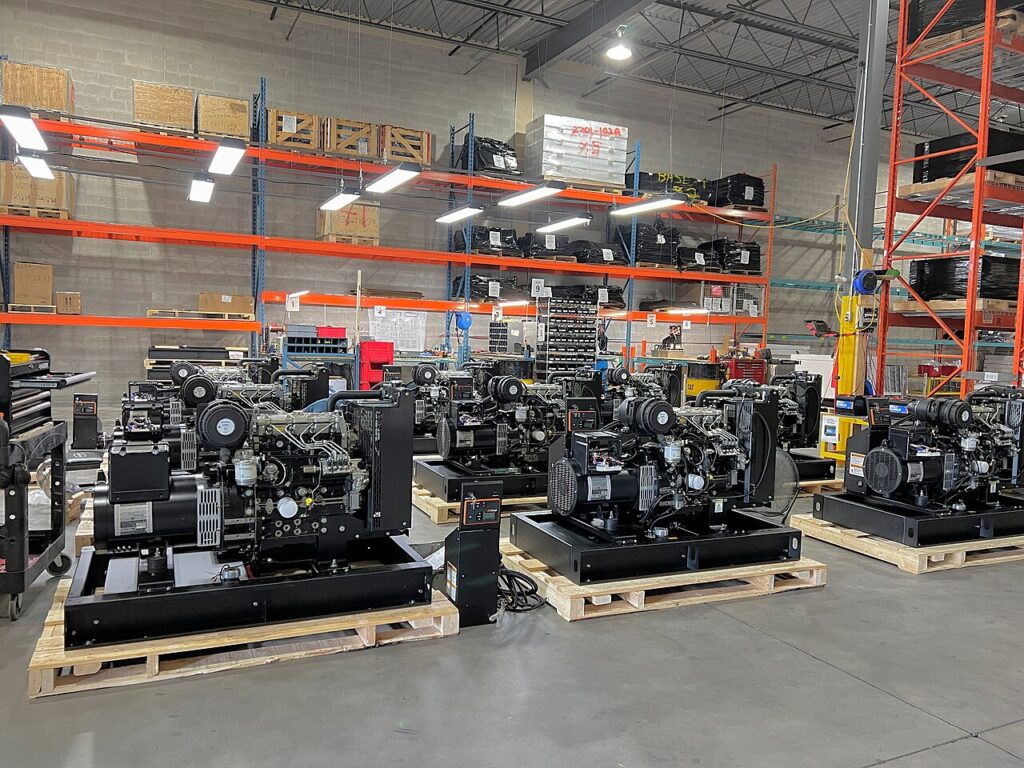
When an overseas buyer places an order for a diesel generator, the real work happens in the weeks between the purchase order and the shipping container. That stretch — configuration, assembly, testing, inspection and packing — is where a reliable machine is proven, and where shortcuts quietly turn into breakdowns on site thousands of kilometres away. Here is what a disciplined export process actually involves, and what you should confirm with your supplier at each stage.
1. Configuration Before Anything Else
Two identical generator models can behave very differently once they leave the factory, because the site decides the duty. Before a unit is even built, a good supplier confirms your site altitude and maximum ambient temperature and applies the correct derating, then matches the alternator, control module and cooling package to your real load list. If this step is skipped, the nameplate capacity on the datasheet will not be what you get on site. Our guide to generator derating and the technical selection guide cover how to specify this correctly.
2. Assembly and Factory Testing
Once configured, the set is assembled and — critically — tested under load, not just started and shut down. Load bank testing proves that the engine reaches rated output, that voltage and frequency hold steady, and that protections trip as they should. A unit that has never carried a real load is a unit whose weaknesses you will discover during a power outage.
3. Pre-Shipment Inspection
Before packing, every set should pass a documented inspection: fluid levels, belt and mounting torque, wiring integrity, control settings, cosmetic condition and a final run check. Independent or third-party quality inspection adds a layer of assurance, and our team walks through exactly what we check in pre-shipment inspection. Ask your supplier for the inspection report and test data — it should be a standard deliverable, not a favour.
4. Compliance and Documentation
Exporting power equipment means paperwork as well as hardware. Depending on destination, that includes engine emission classification, electrical certification, the commercial invoice and packing list, certificate of origin and shipping documents. Getting this right the first time avoids customs delays that can strand a container at port. See our overview of China generator export compliance for the details buyers most often miss.
5. Staging and Packing for the Voyage
Finally, the tested units are staged, protected and loaded. Open-frame sets are secured on skids; canopied and containerized units are checked for weatherproofing, lifting points and tie-downs. Seaworthy packing, correct container selection (20ft, 40ft or 40HQ) and clear loading plans protect the machine through handling and the ocean voyage — and make unloading at site far smoother.
What Overseas Buyers Should Confirm
- The configuration matches your site’s altitude, temperature and load — in writing.
- A load bank test report exists for your specific serial number.
- A pre-shipment inspection checklist is completed and shared before payment release.
- All export and destination-country documents are prepared, not improvised.
- Packing and container plan are agreed before the goods leave the warehouse.
Bottom Line
A generator is only as dependable as the process behind it. The order-to-container journey is where a serious sourcing partner earns trust: configure for the real site, test under load, inspect before packing, document for customs, and protect the unit for the voyage. Confirm each of those steps with your supplier and the machine that arrives will be the machine you can rely on.