
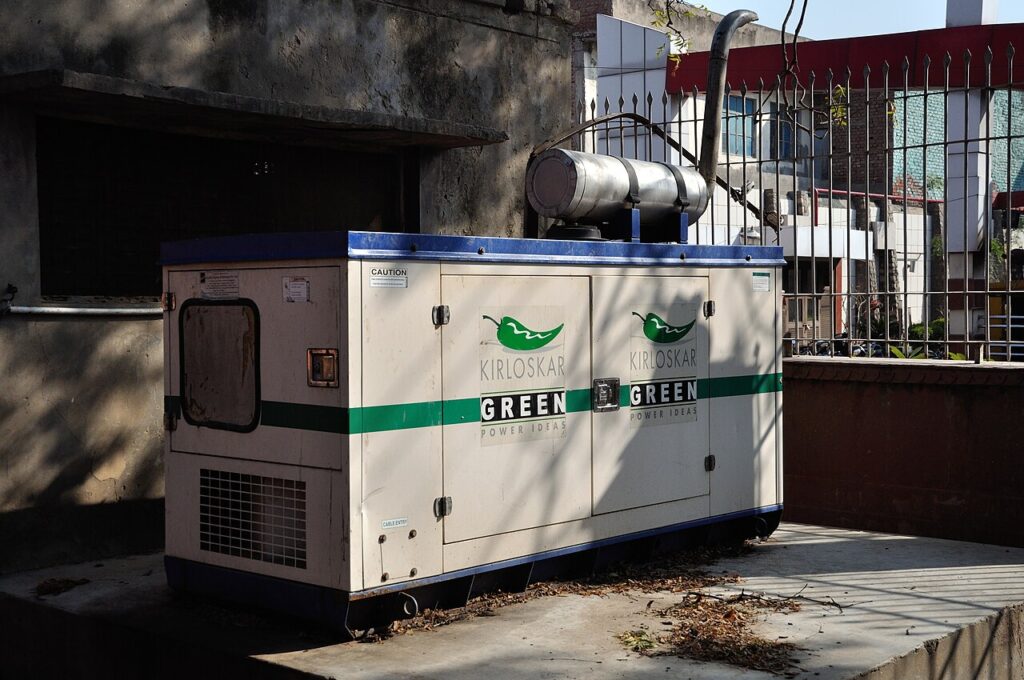
Why Generator Noise Matters
Noise control is no longer a small detail in generator selection. For many projects, especially hotels, hospitals, data centers, telecom sites, residential compounds, and urban construction zones, the generator must provide reliable power without creating complaints from neighbors or disrupting normal operations.
At Higenset, we often see buyers compare engines, alternators, and controller brands first, then ask about noise only after the technical quotation is nearly finished. In practice, sound attenuation should be considered from the beginning because it affects canopy design, cooling airflow, exhaust routing, service access, and even transportation dimensions.
Where Generator Noise Comes From
A diesel generator set produces noise from several sources at the same time. The engine creates combustion and mechanical noise, the radiator fan moves a large volume of air, the alternator adds electromagnetic and bearing noise, and the exhaust system releases pressure pulses from the engine. If the generator is installed on a weak base, vibration can also travel through the floor or structure and become secondary noise.
This is why a quiet generator is not simply a standard open set placed inside a metal box. A proper low-noise design controls each source separately while still allowing enough air for cooling and combustion.
Silent Canopy Design
The canopy is the most visible part of a sound-attenuated generator set. A good canopy uses heavy-gauge steel panels, acoustic insulation, sealed access doors, and carefully designed air paths. The insulation material must resist heat, oil mist, and long-term vibration. In coastal or humid environments, corrosion protection is also important because damaged panels and loose doors can reduce the noise-control effect over time.
Buyers should also check whether the canopy allows normal maintenance. Filters, belts, batteries, controller wiring, coolant filling points, and lifting points should remain accessible. A silent canopy that is difficult to service may look good at delivery but create maintenance problems later.
Airflow and Cooling
Cooling airflow is one of the hardest parts of generator noise reduction. The radiator fan is a major noise source, but restricting air too much will cause high coolant temperature alarms. For this reason, sound-attenuated canopies use inlet and outlet baffles to bend the sound path without blocking the air path.
For hot-climate projects, such as mining sites, island resorts, and Middle East construction projects, we pay special attention to radiator capacity and air outlet direction. If hot air is discharged toward a wall or inside a small generator room, it can recirculate back into the intake and reduce cooling performance. Noise control should never come at the cost of overheating risk.
Exhaust Silencer Selection
The exhaust system is another key part of generator noise control. Industrial silencers are suitable for many standard installations, while residential-grade silencers are used when lower sound levels are required. The silencer must be matched to the engine exhaust flow and back pressure limit. An oversized or poorly selected silencer can waste space, while an undersized one can affect engine performance.
For containerized and canopy-type units, the silencer location should be planned together with rain protection, heat insulation, and service access. Flexible exhaust connections are also recommended because they reduce vibration transfer from the engine to the exhaust pipe.
Vibration Isolation
Even if airborne noise is well controlled, vibration can still create problems. Rubber or spring isolators reduce vibration transfer from the engine-alternator assembly to the base frame. For rooftop installations, hospitals, commercial buildings, and containerized power stations, the foundation and mounting method should be reviewed carefully.
During factory testing, we check whether unusual vibration appears under load and whether bolts, pipe supports, and wiring harnesses remain secure. Small vibration issues are easier to correct before shipment than after the generator reaches a remote site.
Typical Noise Level Targets
Many silent diesel generator sets are designed around a target such as 75 dB(A) at 7 meters, but the exact result depends on generator size, engine speed, canopy structure, ambient conditions, and measurement method. Larger units with high radiator airflow are harder to quiet than small standby units. A 50 kVA silent generator and a 1000 kVA silent generator should not be evaluated by the same expectation.
When comparing quotations, buyers should ask where the noise value is measured, at what distance, under what load, and whether it includes exhaust noise. A clear measurement standard makes supplier comparisons much more reliable.
Site Planning Tips
- Keep enough clearance around air inlet and outlet areas.
- Avoid discharging hot air toward walls, windows, or occupied areas.
- Use a proper concrete base to reduce vibration and improve stability.
- Plan exhaust direction away from people, doors, and fresh-air intakes.
- Confirm local noise requirements before finalizing canopy and silencer design.
What Buyers Should Confirm Before Ordering
Before purchasing a silent generator set, we recommend confirming the target noise level, site layout, ambient temperature, load profile, installation location, and transport limits. These details help the engineering team choose the right canopy structure, radiator arrangement, silencer grade, and vibration isolation method.
If you are comparing silent generator options for an urban project, telecom site, resort, hospital, or factory, share your project conditions with our team. We can help review the technical requirements and recommend a generator configuration that balances noise control, cooling performance, serviceability, and cost.
Need a Generator Quote?
Talk to Higenset’s engineers about sizing, pricing, and shipping to your site.